
10 Advantages of Minimally Invasive Spine Surgery in Ambulatory Surgery Centers
12/13/20242 min read

Introduction to Minimally Invasive Spine Surgery
Minimally invasive spine surgery (MISS) has revolutionized the way spinal conditions are treated. As a preferred method in ambulatory surgery centers, this approach offers several advantages, making it a suitable option for patients looking for efficient and effective solutions. In this article, we will explore ten notable advantages of minimally invasive spine surgery conducted as a same-day procedure.
1. Reduced Hospital Stay
One of the most significant benefits of minimally invasive spine surgery is the reduced need for extended hospital stays. Patients can typically go home the same day as the procedure, which enhances convenience and comfort. This same-day discharge model also decreases healthcare costs and minimizes exposure to potential hospital-acquired infections.
2. Less Blood Loss
During traditional open spine surgeries, patients often experience considerable blood loss. In contrast, minimally invasive techniques utilize smaller incisions, resulting in significantly less bleeding. This reduction in blood loss not only minimizes the need for transfusions but also facilitates a quicker recovery.
3. Lower Risk of Infection
With smaller incisions and reduced tissue trauma, the risk of infection is markedly lower in minimally invasive procedures compared to conventional methods. This advantage is particularly important for patients with pre-existing conditions that may complicate recovery.
4. Preserved Back Muscles
Unlike traditional spine surgeries that require large incisions and extensive muscle manipulation, minimally invasive techniques carefully preserve the surrounding back muscles. This preservation leads to less postoperative pain and allows for a faster return to daily activities.
5. Quicker Recovery Time
Patients undergoing minimally invasive spine surgery often experience quicker recovery times. The reduced incision size and minimal muscle disruption contribute to less postoperative discomfort, allowing many individuals to resume their normal routines sooner than they would after traditional surgery.
6. Enhanced Precision
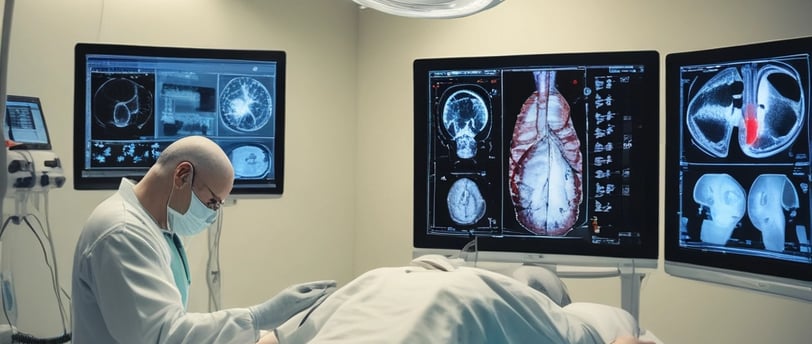
Minimally invasive procedures utilize advanced imaging technologies that provide surgeons with enhanced precision during surgery. This increased accuracy leads to better outcomes and allows for more effective treatment of spinal conditions.
7. Fewer Complications
With a lower rate of complications associated with minimally invasive spine surgery, patients can have greater peace of mind. Reduced trauma, bleeding, and infection risks contribute to this favorable outcome, making it an appealing option for many.
8. Improved Cosmetic Outcome
The smaller incisions used in minimally invasive surgery result in less scarring, which is a significant advantage for patients concerned about cosmetic outcomes. Aesthetically, the benefits are evident, as smaller scars typically lead to better overall satisfaction.
9. Cost-Effectiveness
Due to shorter hospital stays and reduced need for pain management, minimally invasive spine surgery often results in lower overall healthcare costs. This cost-effectiveness is particularly beneficial in today’s healthcare landscape, where minimizing expenses is of utmost importance.
10. Better Overall Patient Satisfaction
Ultimately, minimally invasive spine surgery leads to improved patient satisfaction. With the many advantages such as reduced pain, quicker recovery, greater precision, and less risk of complications, patients not only feel better but also regain their quality of life sooner.
Conclusion
Minimally invasive spine surgery in an ambulatory surgery center presents numerous advantages for patients seeking relief from spinal conditions. From reduced hospital stays to better overall satisfaction, the benefits are compelling. By choosing this innovative approach, patients can look forward to a less traumatic and more effective surgical experience.